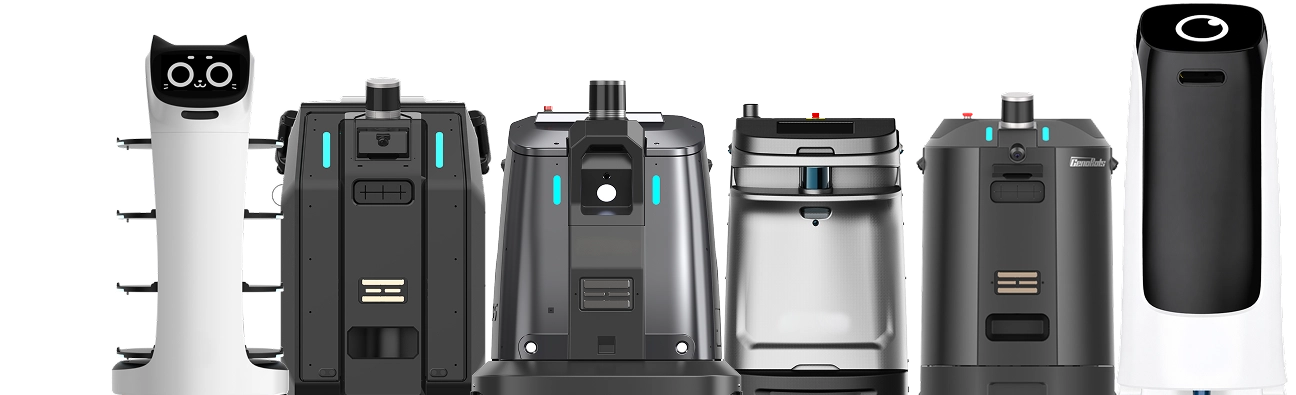
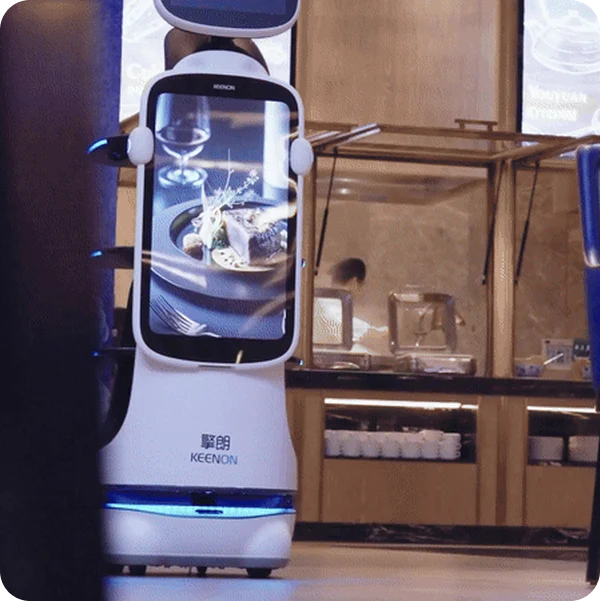
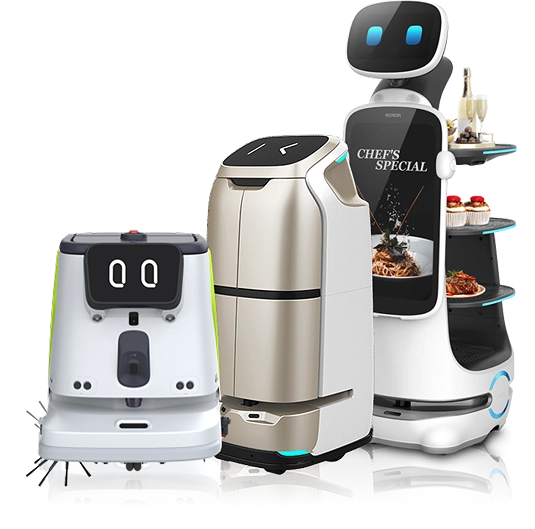
Airports, railway stations and transport hubs need large, busy spaces cleaned around the clock, with long walking distances and strict hygiene standards. SPARK Robotics helps UK operators use autonomous cleaning and service robots to cover more ground with the same team. We review your terminals, concourses and timetables, recommend suitable equipment and help your team put it to work.
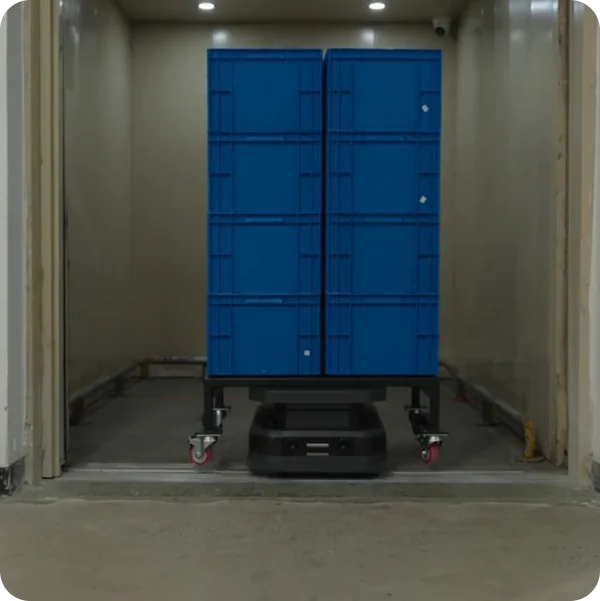
The right application depends on the size of the site and the flow of passengers. For some hubs, that means scrubbing large concourses overnight. For others, it means cleaning around gates and platforms during the day, sharing information or moving goods behind the scenes.
Cleaning terminals and concourses
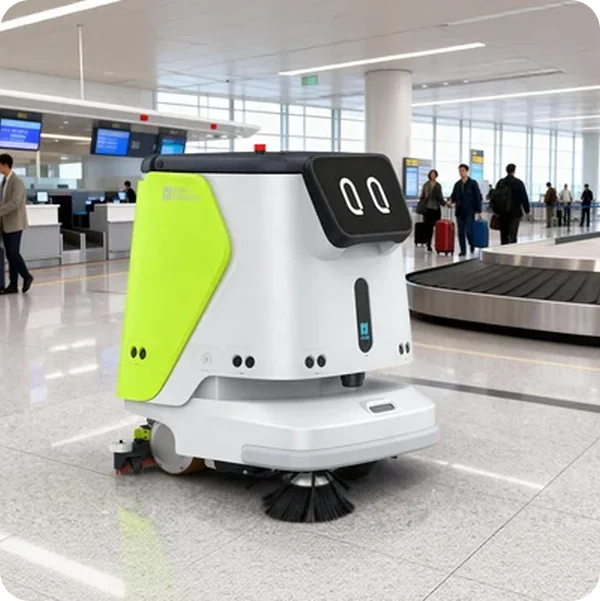
Autonomous scrubber-dryers can clean large terminal floors, check-in halls and walkways on a schedule, sensing passengers and luggage as they work.
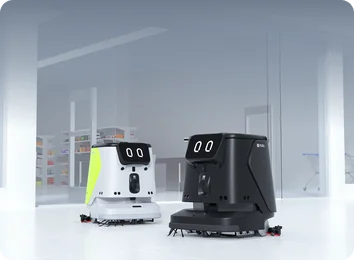
Clean terminals, check-in halls and gate areas around the clock.
Railway stations
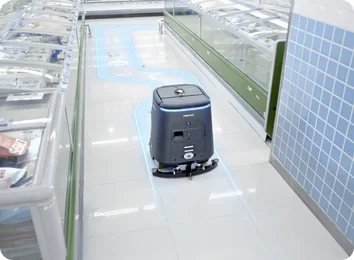
Keep concourses, platforms and walkways clean between services.
Bus and coach stations
Maintain the waiting areas and walkways used throughout the day.
Transport car parks
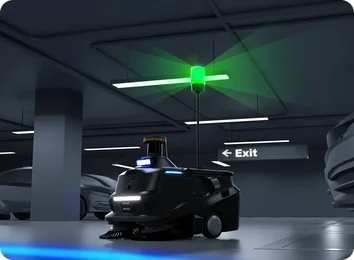
Sweep large multi-storey and underground parking areas.
Real deployments,
real operating conditions
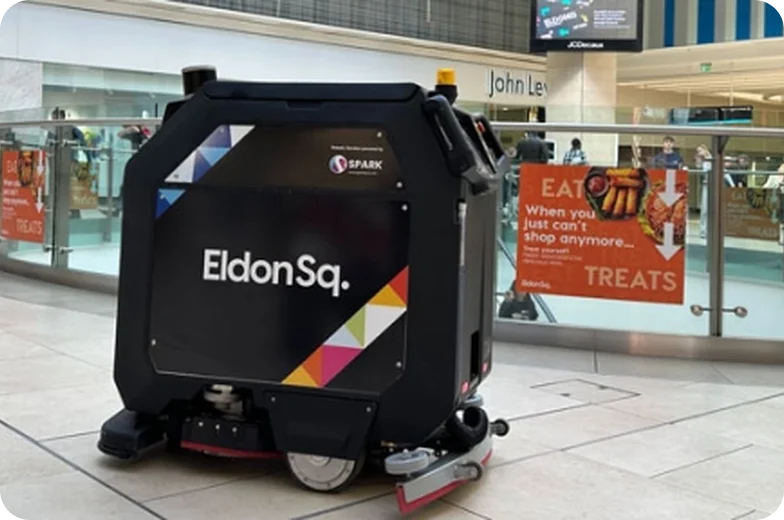
Our Eldon Square deployment shows how an autonomous scrubber-dryer can be introduced into a large, busy public space and work alongside an existing cleaning team.
We also work with operators across cleaning and service applications. Explore the customer stories relevant to your site and the task you want to improve.
We discuss the repeated journeys or cleaning work you want to improve.
02
Assess the space
We review routes, surfaces, access, foot traffic, charging and staff handovers.
03
Demonstrate a
suitable approach
We agree what the demonstration or trial should show and how success will be assessed.
04
Plan deployment
and support
We configure the agreed solution, train your team and set out the support arrangements in your proposal.
The result is a recommendation based on your operation, rather than a robot selected from a catalogue.
Frequently asked questions
Can cleaning robots work around passengers and luggage?
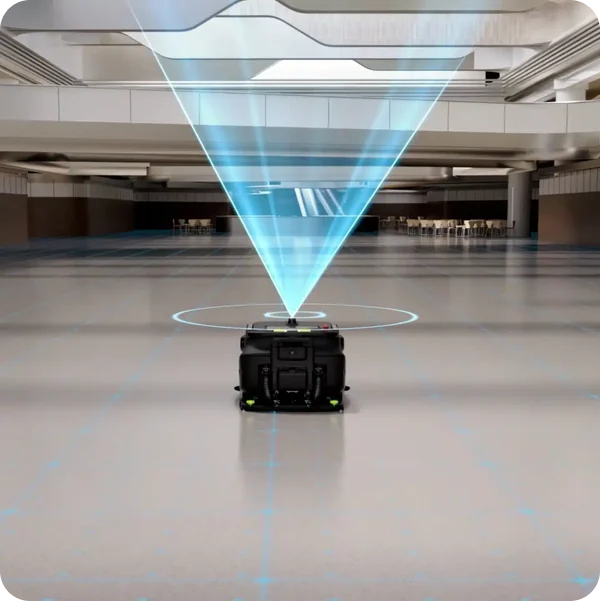
Yes. Robots use LiDAR, cameras and other sensors to detect people, bags and obstacles and slow down or stop around them. The busiest areas can also be scheduled for quieter times.
Can robots clean large terminals and concourses?
Large scrubber-dryers and sweepers are designed for big open areas and can cover thousands of square metres in a run. We plan routes and charging so the robot covers the areas you need.
Can robots work overnight?
Yes. Many transport sites schedule robots to clean overnight or between services, so floors are ready for the morning rush.
How do robots handle restricted areas?
Robots follow mapped routes and virtual boundaries, so they can be kept out of restricted zones. Access to airside or secure areas is agreed with your security team during planning.
Can we see reports on cleaning performance?
Yes. Robots record the areas cleaned, coverage and completed tasks, and reports can be reviewed in the app or dashboard to support service levels and audits.
Start a conversation
Explore what could work at your site
Tell us about your site and the task you want to improve. We’ll help you identify the most useful next step.