Logistics robots for faster, safer warehouse operations
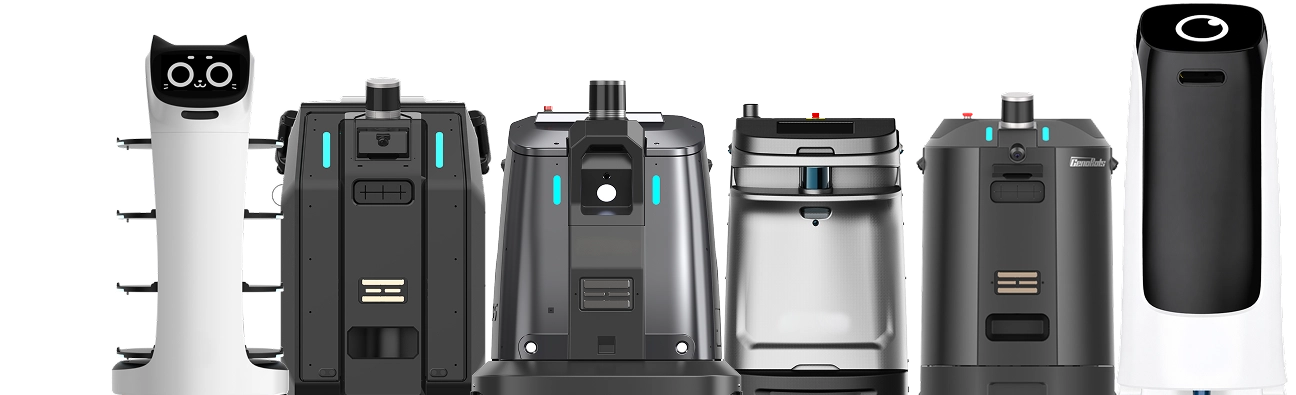
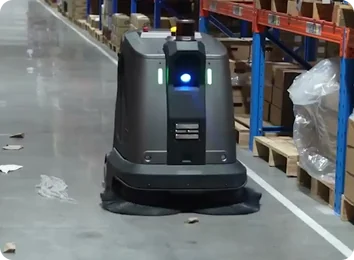
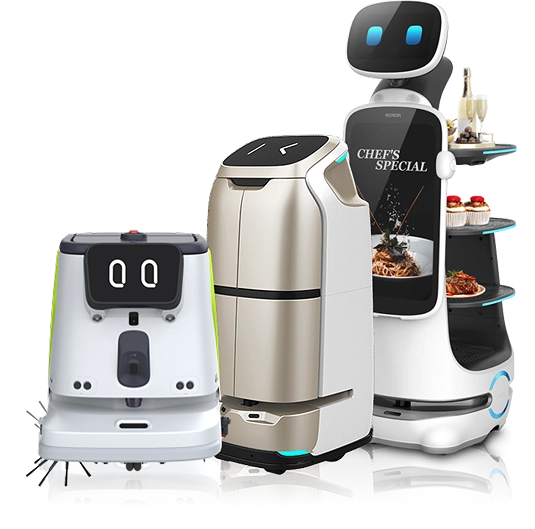
Warehouses and distribution centres face pressure to move goods faster, with fewer people and strict safety standards. SPARK Robotics helps UK logistics operators use autonomous transport and cleaning robots on the routes and floors where they help most. We review your layout, flows and loads, recommend suitable equipment and help your team put it to work.
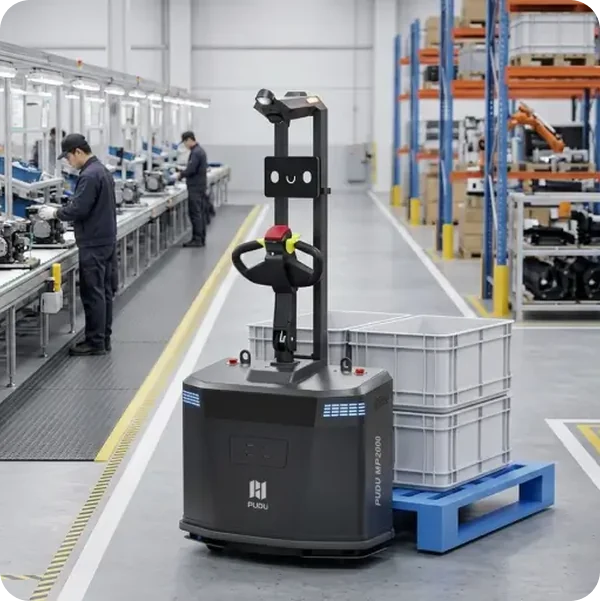
The right application depends on what you move and where. For some sites, that means carrying totes and parts between zones. For others, it means moving pallets, towing heavy loads or keeping large floors clean.
Moving goods between zones
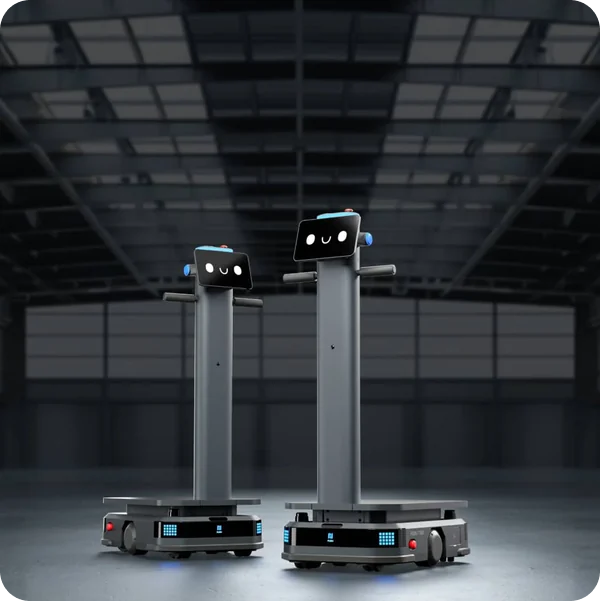
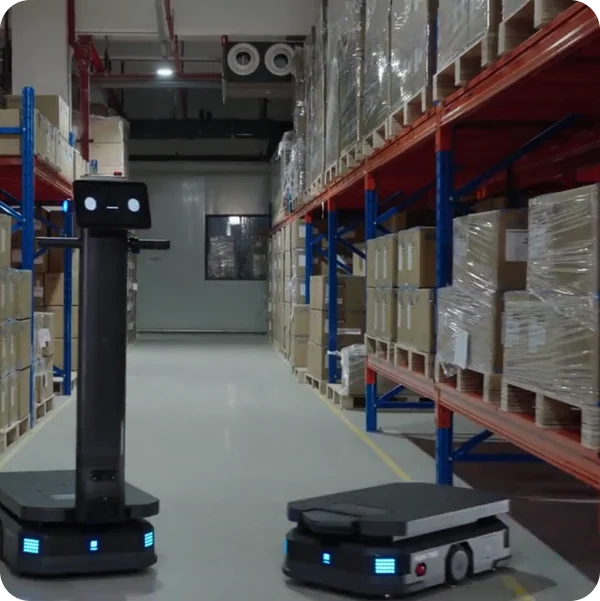
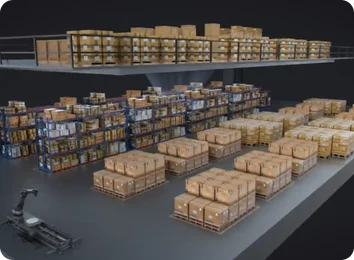
Autonomous delivery robots can carry totes, parts and goods between receiving, storage, picking and dispatch, reducing walking and manual trolley runs.
Support picking and dispatch with autonomous transport.
Third-party logistics
Add capacity across sites and contracts.
Parcel and cross-dock hubs
Keep busy floors clear and moving.
Real deployments,
real operating conditions
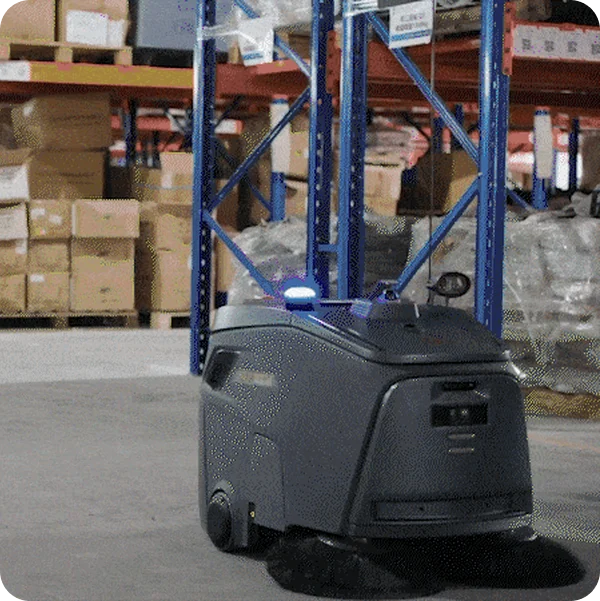
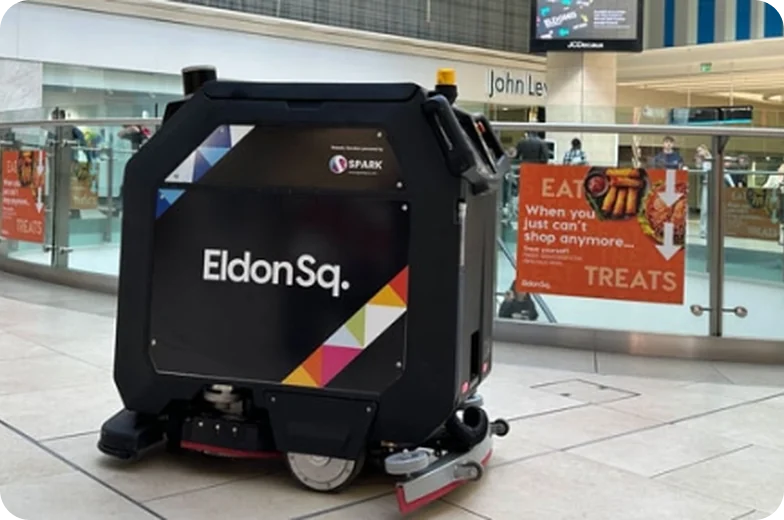
At Eldon Square, a busy Newcastle shopping centre, SPARK introduced an autonomous L50 scrubber-dryer alongside the existing cleaning team. It has completed more than 1,000 hours of autonomous cleaning.
We also work with logistics operators across transport and cleaning applications. Explore the customer stories relevant to your operation and the task you want to improve.
We discuss the repeated journeys or cleaning work you want to improve.
02
Assess the space
We review routes, surfaces, access, foot traffic, charging and staff handovers.
03
Demonstrate a
suitable approach
We agree what the demonstration or trial should show and how success will be assessed.
04
Plan deployment
and support
We configure the agreed solution, train your team and set out the support arrangements in your proposal.
The result is a recommendation based on your operation, rather than a robot selected from a catalogue.
Frequently asked questions
Can robots work alongside people and forklifts?
Yes. Our robots use LiDAR, cameras and other sensors to detect people, vehicles and obstacles and slow down or stop. Routes, zones and speeds are agreed during deployment.
How much can the robots carry?
It depends on the model. The T300 carries up to 300 kg, and pallet robots such as the MP2000 handle loads of up to 2,000 kg. We match the robot to your loads.
Do we need to change our warehouse layout?
Usually not. Robots map your existing site and follow virtual routes. We check aisle widths, floors and doors during the site assessment.
Can robots connect to our warehouse systems?
Many robots can be integrated with warehouse and fleet systems through their software interfaces. We discuss your systems during planning.
Can we start with one route or task?
Yes. Most operators start with one route or task, measure the results, then add more robots or routes.
Start a conversation
Explore what could work at your site
Tell us about your site and the task you want to improve. We’ll help you identify the most useful next step.