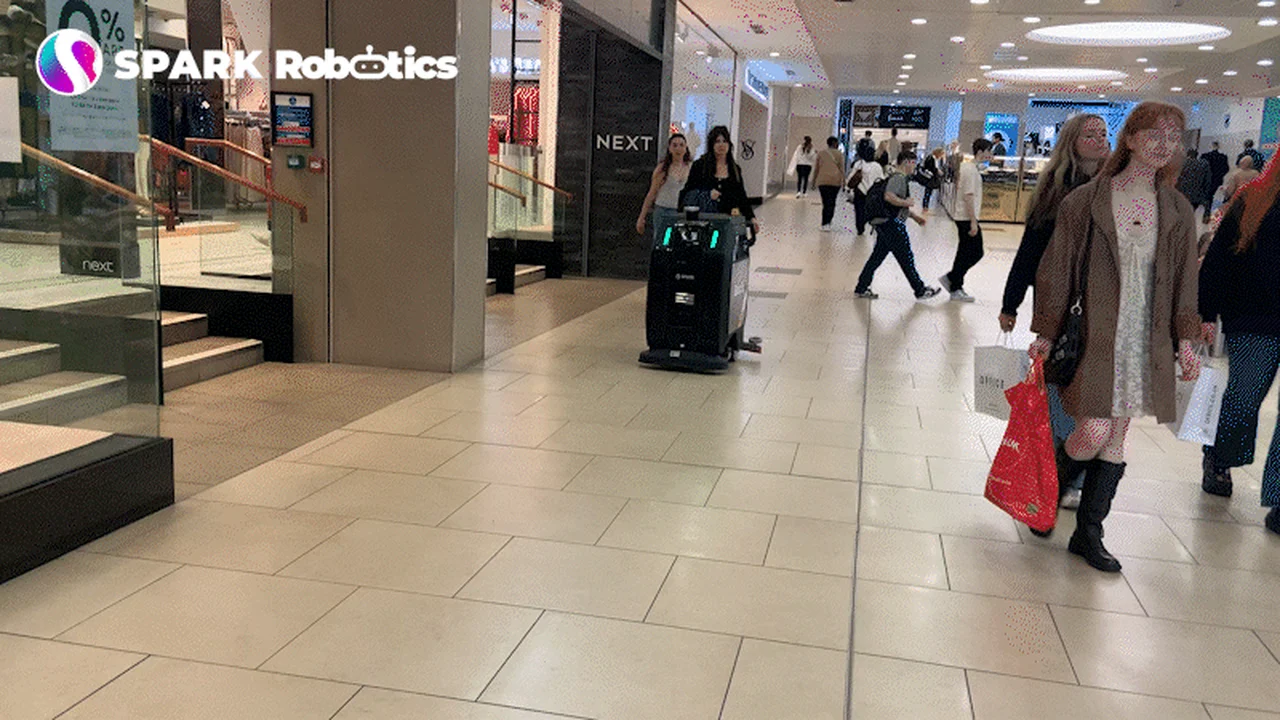
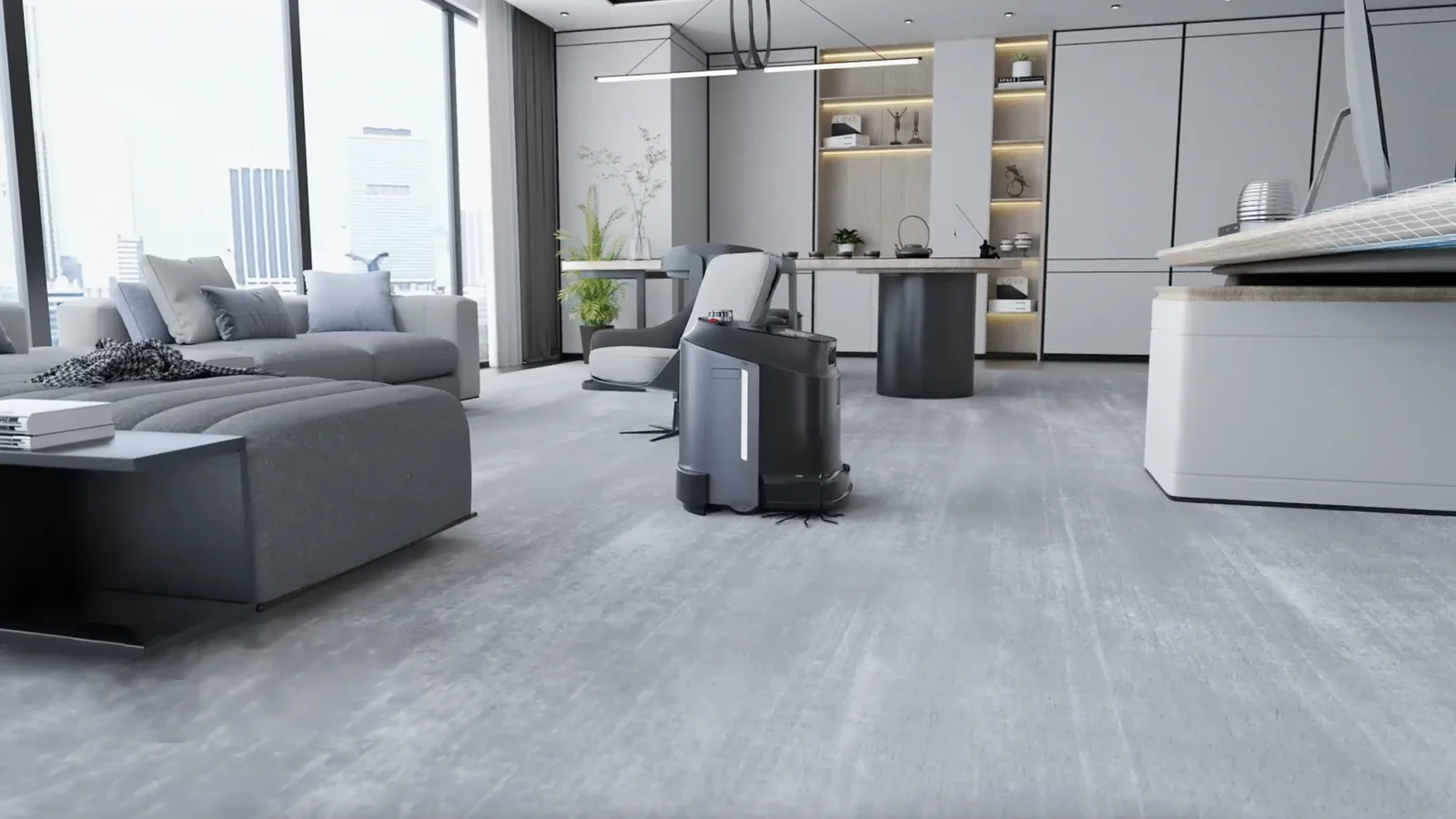
Across offices, shopping centres, hospitals and transport hubs, facilities teams face the same pressures: more space to cover, higher expectations and fewer people available to do the work. Autonomous cleaning robots have moved from trial projects to everyday equipment. Here is why.
Staffing is harder than ever
Cleaning roles are hard to fill, especially for early morning, evening and night shifts. Robots do not replace the team, but they take on the long, repetitive floor-cleaning runs, so the people you have can cover washrooms, detail work and incidents.
Standards are rising, and so is scrutiny
Clients, tenants and visitors expect visibly clean spaces, and many contracts now ask for proof. Robots record where and when they cleaned, giving facilities managers reports they can share rather than relying on paper checklists.
The technology has matured
Today’s robots use LiDAR, cameras and other sensors to map buildings, avoid people and obstacles, use lifts and return to charge on their own. Training takes days rather than weeks, and the same robot can store maps for several sites.
Flexible ways to buy
Rental and service models let organisations start with one robot, prove the value and then scale, without a large upfront purchase.
What this means for your team
The most successful deployments start small: one clear task, one site and a team that understands how the robot fits into their day. From there, robots become part of the cleaning plan rather than a novelty. If you are considering a first robot, our guide to choosing a commercial cleaning robot is a good place to start.